The Ultimate 10-Day Morocco Itinerary for First-Time Visitors
Planning a 10-day Morocco itinerary is one of the best decisions a first-time visitor can make. Morocco is a country of extraordinary contrasts — ancient medinas and vast desert, Atlantic coastlines and cedar forests, Berber villages and cosmopolitan cities. Ten days gives you enough time to experience its most iconic destinations without feeling rushed.
This guide covers everything you need: a complete day-by-day Morocco itinerary, practical logistics, accommodation tips, local food to try, and insider advice to help you navigate your first trip with confidence.
“Morocco doesn’t just show you a different country — it shows you a different way of experiencing the world.”
Quick Facts: Visiting Morocco for the First Time
Before diving into the day-by-day itinerary, here are the essential facts every first-time visitor to Morocco needs to know:
- Best Entry Point: Marrakech or Casablanca
- Currency: Moroccan Dirham (MAD)
- Languages: Arabic, Berber, French
- Visa: Visa-free for US, UK, EU, Canada (up to 90 days)
- Best Time to Visit: March–May and September–November
- Budget (per day): $50–$80 budget / $100–$200 mid-range
- Time Zone: GMT+1 (WET)
Your Complete 10-Day Morocco Itinerary
Here is your 10-day Morocco itinerary at a glance:
- Days 1–2: Marrakech — medina, souks, Jemaa el-Fna
- Day 3: Atlas Mountains day trip
- Days 4–5: Sahara Desert (Merzouga / Erg Chebbi)
- Day 6: Drive to Fes via Ziz Valley
- Day 7: Full day in Fes medina
- Day 8: Chefchaouen, the Blue City
- Days 9–10: Casablanca or Essaouira + departure
Days 1–2: Arrive in Marrakech
Your Morocco itinerary adventure begins in Marrakech, the country’s most visited city and the perfect introduction for first-time visitors. Fly into Marrakech Menara Airport and take a taxi or pre-arranged transfer to your riad in the medina.
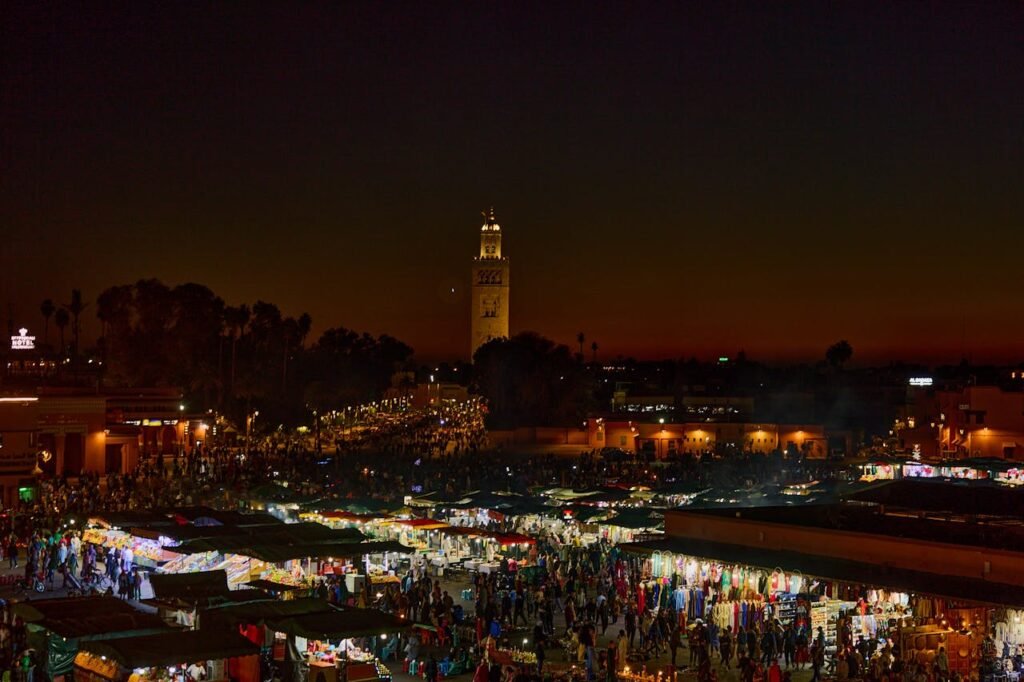
Spend your first afternoon exploring toward Jemaa el-Fna Square, the beating heart of Marrakech. As evening falls, the square transforms into a spectacular open-air theatre with snake charmers, storytellers, musicians, and dozens of food stalls. Eat here — order harira soup, grilled brochettes, and freshly squeezed orange juice.
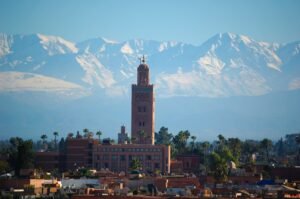
On Day 2, dive deep into the medina. Hire a licensed local guide (around 200–300 MAD) to navigate the souks without getting hopelessly lost. Key sights include the Bahia Palace, the Saadian Tombs, the Koutoubia Mosque, and the leather tanneries visible from rooftop terraces.
Marrakech Highlights
- Jemaa el-Fna Square (day and night)
- Bahia Palace and Saadian Tombs
- Koutoubia Mosque
- Marrakech souks and leather tanneries
- Majorelle Garden (if time allows)
💡 Insider Tip: Book a riad (traditional Moroccan guesthouse) inside the medina for an authentic experience. Many offer beautiful internal courtyards and rooftop terraces. Book well in advance during peak season (March–May, October–November).
Day 3: Day Trip to the Atlas Mountains
On Day 3, escape Marrakech’s bustle with a day trip to the Atlas Mountains, just one hour from the city. The most popular destination is Imlil village, the trailhead for Mount Toubkal — North Africa’s highest peak at 4,167m. You don’t need to summit; even a short hike through Berber villages and walnut groves offers breathtaking scenery.
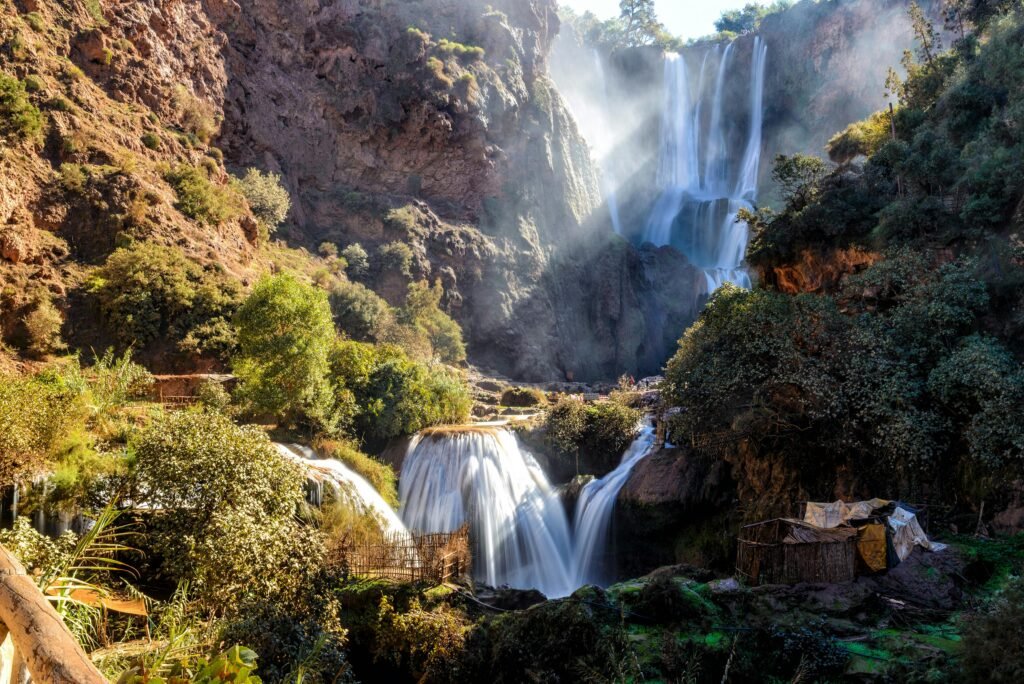
Alternatively, visit the stunning Ouzoud Waterfalls — Morocco’s highest waterfalls at 110m, surrounded by wild Barbary macaques and rainbow mist. Both options can be booked as day tours from Marrakech, typically costing 200–450 MAD per person.
💡 Insider Tip: Pack layers — Atlas Mountain temperatures can drop significantly even in summer. Comfortable walking shoes are essential.
Days 4–5: The Sahara Desert — Merzouga & Erg Chebbi
This is the highlight most first-time visitors dream of: spending a night in the Sahara Desert. From Marrakech, join a 3-day desert tour driving through the dramatic Draa Valley, past rose-growing villages, over the Tizi n’Tichka Mountain Pass, through Ouarzazate (Morocco’s film capital), and along the Ziz Valley palmeries to reach Merzouga and the iconic dunes of Erg Chebbi.
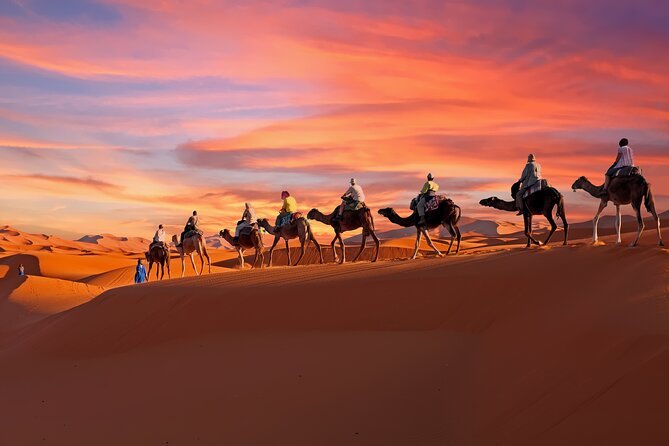
Arrive at the dunes in the late afternoon to catch the golden hour light painting the 150m-high sand dunes in shades of amber and copper. Mount a camel for the ride into a desert camp. Spend the night in a Berber-style luxury tent under a sky blazing with stars.
Wake before dawn on Day 5 to climb a dune and watch the sun rise over the Sahara — one of the most memorable moments available to any traveler in the world.
Sahara Desert Highlights
- Erg Chebbi dunes (up to 150m high)
- Camel trek at sunset
- Overnight luxury desert camp
- Sahara sunrise from the dunes
- Draa Valley and Ziz Valley scenery
- Ouarzazate — Morocco’s Hollywood
💡 Insider Tip: Book a luxury desert camp rather than a basic one — the price difference is often only $30–$50 per person, and the comfort is significantly better. Look for camps with private en-suite tents.
Day 6: Drive to Fes Through the Ziz Valley
From Merzouga, the route to Fes takes around 7–8 hours but the scenery is spectacular. Most organized tours cover this by private van, with stops in the beautiful Ziz Valley, the market town of Midelt, and sometimes the cedar forests near Azrou, where wild Barbary macaques roam freely among the trees.
Arrive in Fes by evening. Check into a riad in the medina and take a short evening walk to get your first glimpse of this extraordinary 1,200-year-old city.
Day 7: Full Day Exploring Fes Medina
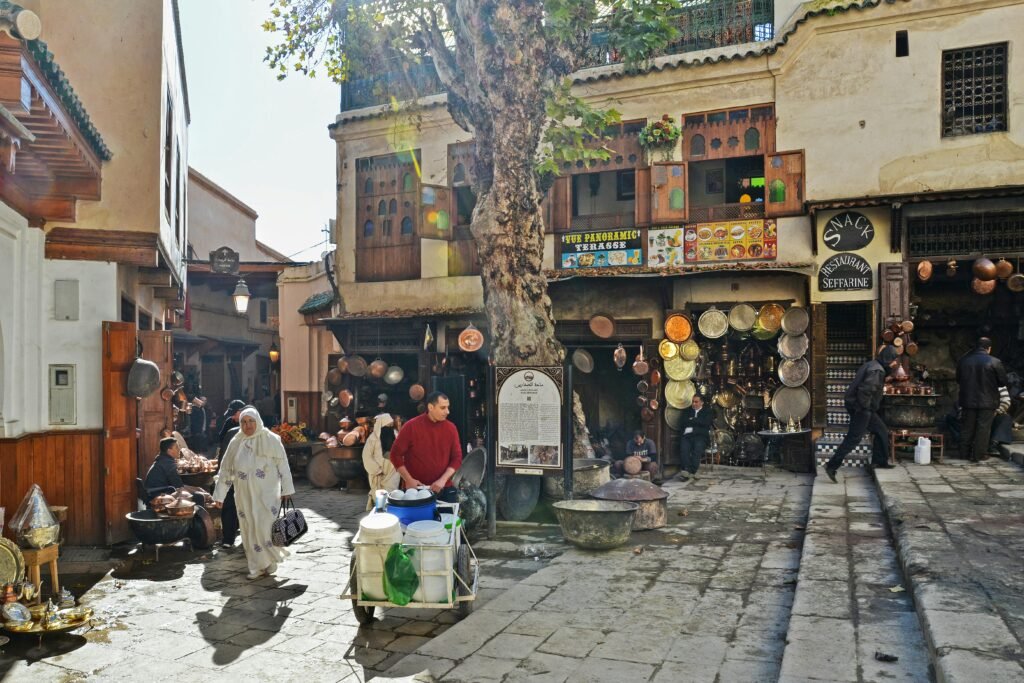
Dedicate a full day to Fes el-Bali, a UNESCO World Heritage medina and the world’s largest car-free urban area. Hire an official licensed guide to unlock the city’s deep history. Key sights include:
- Al-Qarawiyyin Mosque and University — founded in 859 AD, the world’s oldest continuously operating university by Fatima al-Fihriya
- Bou Inania Madrasa — a stunning 14th-century Islamic college with intricate tilework and carved cedar wood
- Chouara Tannery — leather processed using 1,000-year-old methods, visible from rooftop terraces
- Fes el-Bali souks — less touristy and more authentic than Marrakech’s
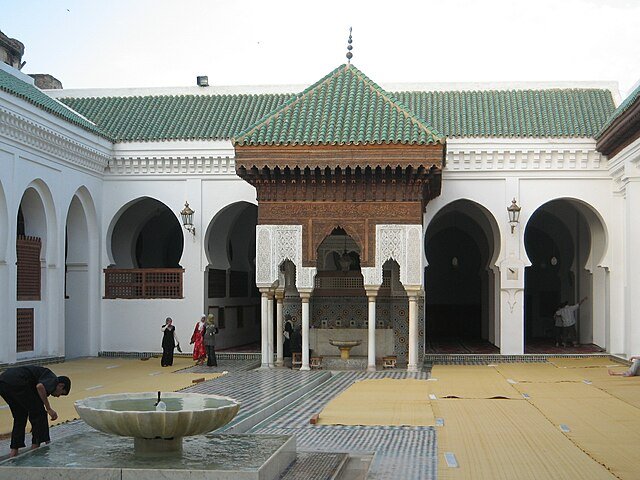
In the evening, have dinner at a traditional Moroccan restaurant. Fes is famous for pastilla (pigeon pie), lamb tagine with preserved lemon, and basteeya with almond and cinnamon.
💡 Insider Tip: When visiting the tanneries, leather shops give free rooftop access with a view. You’re not obligated to buy, but quality is genuinely excellent and prices are fair when negotiated.
Day 8: Chefchaouen — The Blue Pearl of Morocco
Chefchaouen is one of Morocco’s most photogenic destinations — a mountain town painted almost entirely in shades of blue and white, draped over the slopes of the Rif Mountains. From Fes, it’s a comfortable 3.5-hour drive or bus ride.
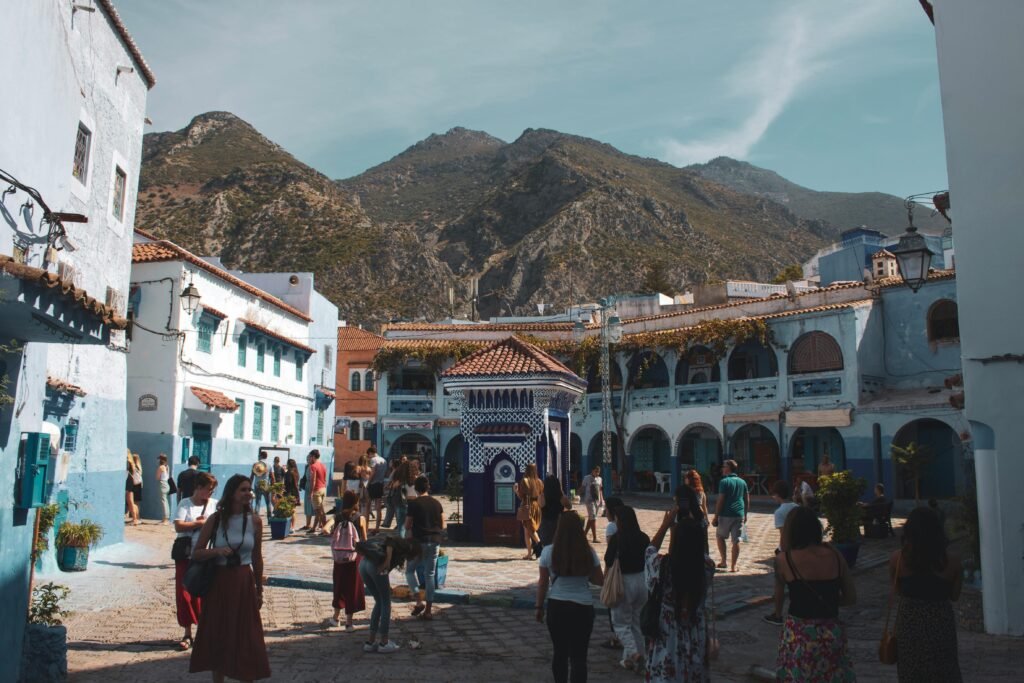
The town is small enough to explore on foot in an afternoon. Wander the blue-washed alleyways of the medina, visit the main square Place Uta el-Hammam, climb to the Spanish Mosque above town for panoramic sunset views, and shop for hand-woven blankets and local goat cheese. Overnight here to experience the magical early-morning streets before day-trippers arrive.
💡 Insider Tip: Go out at 7 AM before the tour groups arrive. The blue streets in the soft morning light, without crowds, are absolutely magical and infinitely more photogenic.
Days 9–10: The Atlantic Coast — Casablanca & Essaouira
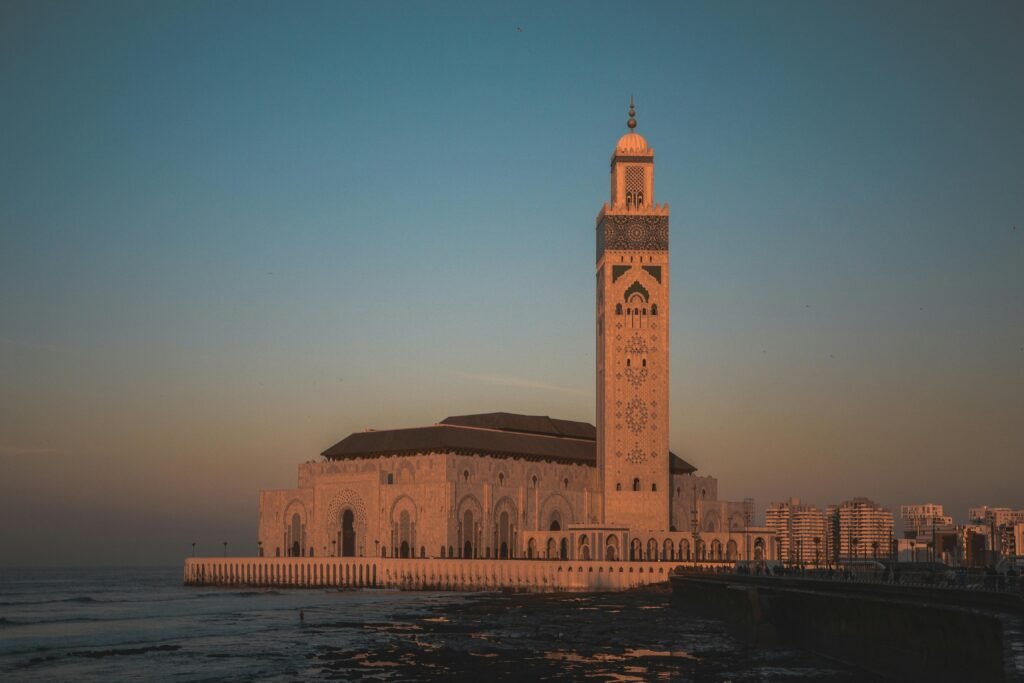
For your final days, head to Morocco’s Atlantic coast. If flying home from Casablanca, visit the magnificent Hassan II Mosque — the world’s 7th-largest mosque, built partly over the Atlantic Ocean, with guided tours open to non-Muslims. Explore the old Habous Quarter and the city’s beautiful Art Deco architecture before your flight.
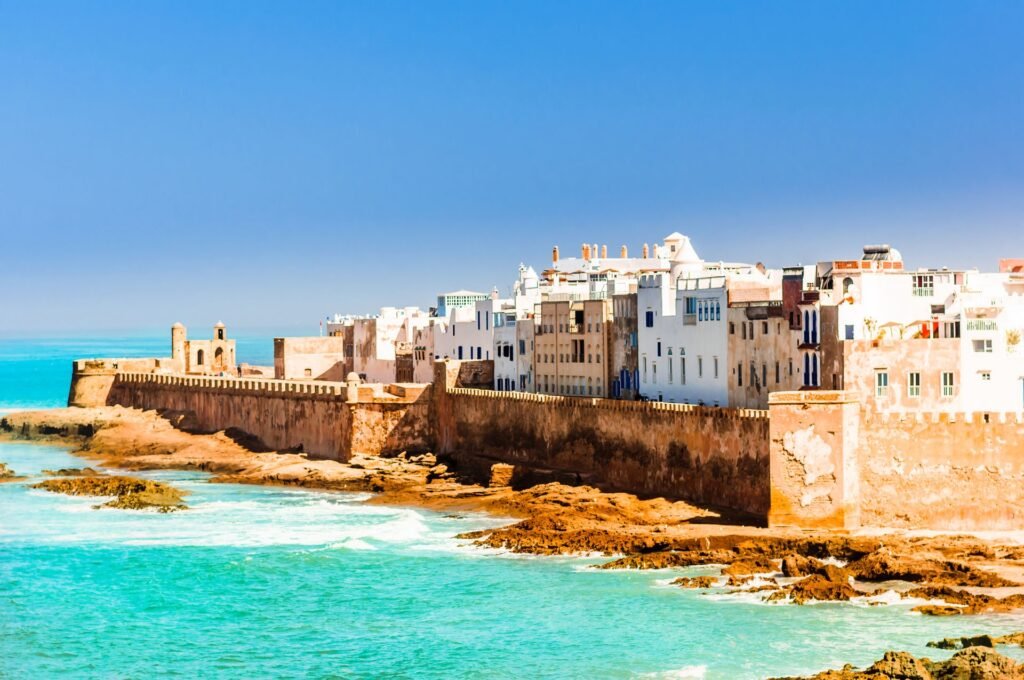
Alternatively, make a detour to Essaouira — a windswept, UNESCO-listed coastal medina with blue fishing boats, whitewashed ramparts, excellent fresh seafood, and a relaxed bohemian atmosphere unlike anywhere else in Morocco. It’s a 2.5-hour drive from Marrakech and makes a wonderful final night before flying out.
Atlantic Coast Highlights
- Hassan II Mosque, Casablanca (book a guided tour in advance)
- Essaouira medina and Atlantic ramparts
- Fresh grilled seafood at Essaouira port
- Casablanca Art Deco city center
Essential Morocco Travel Tips for First-Time Visitors
Visas and Entry
Citizens of the US, UK, EU, Canada, and Australia can enter Morocco visa-free for up to 90 days. Always verify your country’s current before booking your trip.
Money and Budget
Morocco uses the Moroccan Dirham (MAD). Cash is essential in medinas and markets. ATMs are widely available in all major cities. Budget travelers can manage on $15–80/day; mid-range on $100–200/day including accommodation, food, and transport.
Getting Around Morocco
CTM and Supratours buses connect major cities reliably and cheaply. Shared grand taxis are faster for shorter routes. For the Sahara desert route, a private driver or organized tour is strongly recommended.
What to Wear in Morocco
Morocco is a Muslim-majority country. Dress modestly — cover shoulders and knees when visiting medinas and religious sites. Women will benefit from carrying a light scarf. At coastal resorts and modern hotels, Western dress is acceptable.
Food and Water Safety
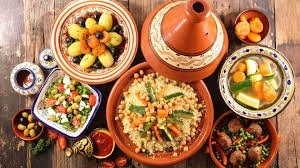
Always drink bottled water. Eat at busy restaurants with high table turnover. Must-try dishes: tagine, couscous, pastilla, harira soup, basteeya, and fresh mint tea.
Frequently Asked Questions About Morocco
Is 10 days enough for Morocco?
Yes — 10 days is the ideal length for a first Morocco trip. You can comfortably cover Marrakech (2–3 days), the Sahara Desert (2 days), Fes (2 days), Chefchaouen (1 day), and still have time for the Atlantic coast. Any shorter and you’ll feel rushed.
What is the best time of year to visit Morocco?
The best time to visit Morocco is spring (March to May) and autumn (September to November), when temperatures are mild across all regions. Summer is extremely hot in desert areas, winter is cold in the mountains but pleasant on the coast.
Is Morocco safe for first-time visitors?
Morocco is generally a safe tourist destination. Use common sense in crowded medinas (watch for pickpockets), agree on taxi fares before getting in, and avoid accepting unsolicited guide offers from strangers in the street.
How much does a 10-day Morocco trip cost?
A budget traveler can do 10 days for $700–$1,000 (excluding flights). A comfortable mid-range trip costs $1,500–$2,500. Flights from Europe average $100–$300 return; from North America, $500–$900.
Do I need to speak Arabic or French to visit Morocco?
No — English is widely spoken in tourist areas. Learning a few words in Darija is warmly appreciated: shukran (thank you), la shukran (no thank you), bslama (goodbye).
Should I hire a guide in Morocco?
A licensed guide is highly recommended for Fes medina, which is genuinely confusing to navigate alone. In Marrakech, a guide for your first morning in the souks is worthwhile. Always hire official guides with an ID badge — never informal street touts.
Final Thoughts: Your Morocco Adventure Awaits
This 10-day Morocco itinerary for first-time visitors covers the country’s most iconic and unforgettable experiences without rushing you through any of them. Morocco rewards slow exploration — the extra hour in a souk, the conversation with a riad owner over mint tea, the dawn walk through Chefchaouen before the crowds arrive.
Morocco is a country that gets under your skin. Most first-time visitors find themselves planning a return trip before they’ve even boarded the flight home. Come curious, stay open, and let Morocco do the rest.