Is Morocco safe to visit in 2026? It’s the first question every traveler asks — and the honest answer is: yes, Morocco is safe, but with nuances worth understanding before you go. Morocco is one of the most visited countries in Africa, welcoming over 17 million international tourists in 2024 alone. The vast majority have wonderful, trouble-free experiences. But like any destination, knowing what to expect — from petty scams to city-by-city differences — helps you travel smarter and more confidently. This complete Morocco safety guide gives you the honest, up-to-date picture for 2026.
Whether you’re a solo female traveler, a family, a couple on a honeymoon, or a first-time visitor — this guide covers everything you need to know to stay safe and enjoy Morocco to its absolute fullest.
Table of Contents
Is Morocco Safe? The Overall Picture
Morocco is genuinely one of the safer travel destinations in Africa and the broader Middle East and North Africa region. Here’s the objective picture:
- Numbeo Safety Index 2026: Morocco scored 52.5 — ranking it safer than popular destinations including Sweden, France, the UK, and the United States
- Global Terrorism Index 2025: Morocco is classified as having “no impact” from terrorism — one of only a handful of MENA countries to achieve this rating
- Tourism statistics: Over 17 million international visitors in 2024 — a record — with violent crime against tourists extremely rare
- Strong security presence: Morocco has a well-funded national police force (DGSN), tourist police in major cities, and Royal Gendarmerie on highways and rural roads
- Political stability: Morocco is one of the most politically stable countries in Africa — no civil conflict, no significant political violence against tourists
The main safety challenges in Morocco are petty crime (pickpocketing, scams), street harassment (particularly for women), and road safety — not violent crime. Understanding these helps you navigate Morocco with confidence rather than fear.
Is Morocco Safe from Terrorism?
Morocco has not experienced a major terrorist attack since 2018 — when two Scandinavian tourists were tragically killed while camping alone in a remote mountain area near Imlil. The key factor in that incident was isolation: they were camping without a guide or security presence in an area far from tourist infrastructure.
Since then, Morocco’s counter-terrorism apparatus — considered one of the most effective in Africa — has maintained an excellent security record. The Global Terrorism Index 2025 classifies Morocco as having “no impact” from terrorism. Tourist areas, medinas, and major attractions are well-patrolled.
- ✅ Major cities and tourist areas: Very safe
- ✅ Sahara Desert (organized tours): Safe with reputable operators
- ⚠️ Remote mountain areas without guides: Exercise extra caution — always use a licensed guide in isolated terrain
Is Morocco Safe by City? City-by-City Guide
Is Marrakech Safe?
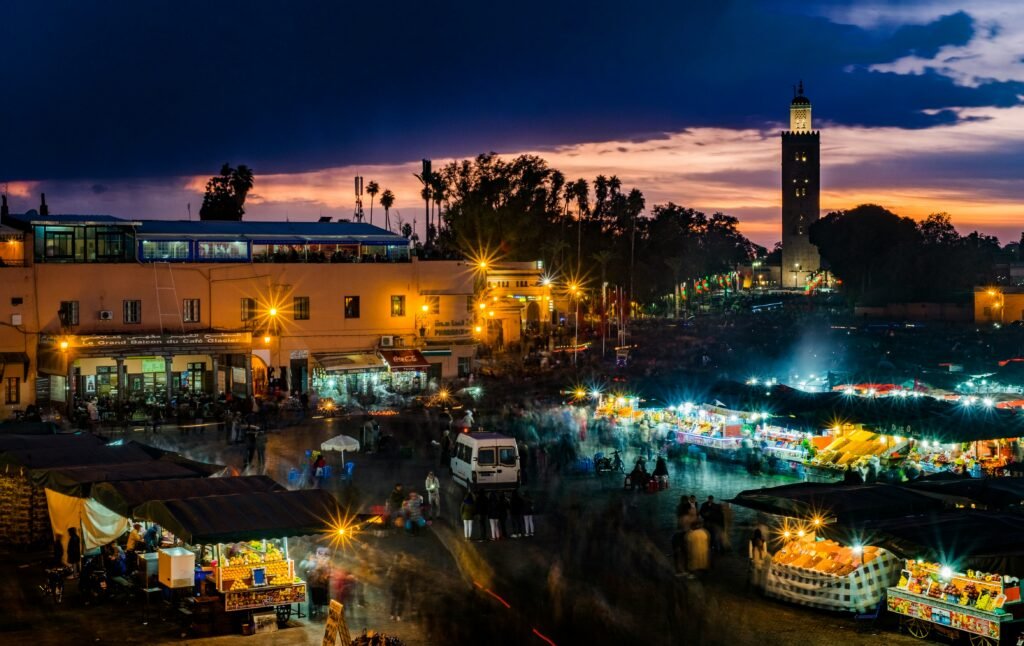
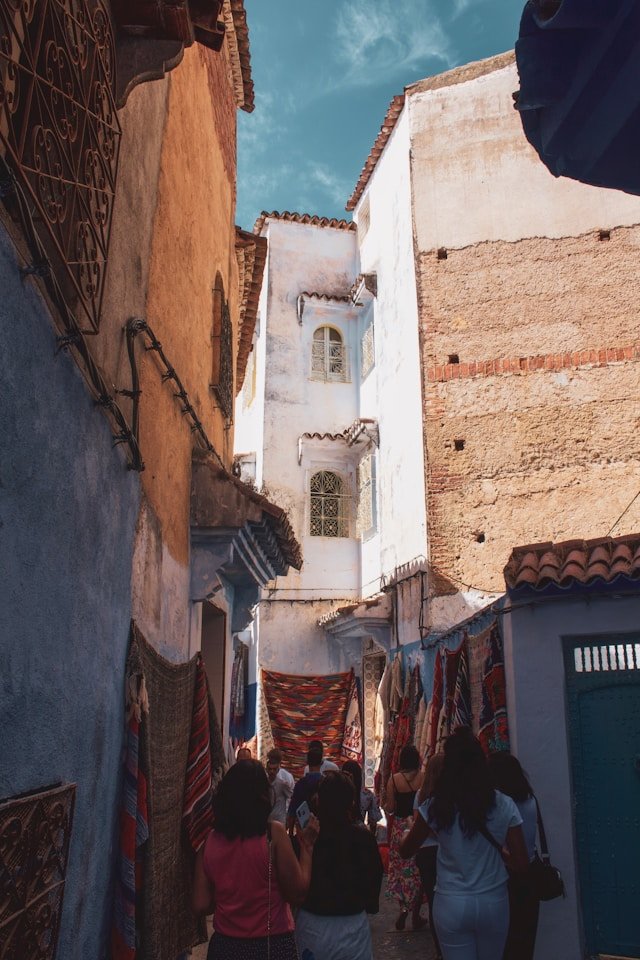
Marrakech is Morocco’s most visited city and generally very safe for tourists. The medina has a strong tourist police presence, and violent crime is extremely rare. The main challenges are aggressive souk traders, persistent “faux guides,” and occasional pickpocketing in crowded areas like Jemaa el-Fna.
- Safety rating: ⭐⭐⭐⭐ Good — with awareness
- Main risks: Scams, faux guides, pickpocketing in crowds
- Tip: Stay alert in the souks, use official licensed guides, and keep bags in front of you in Jemaa el-Fna at night
Is Fes Safe?
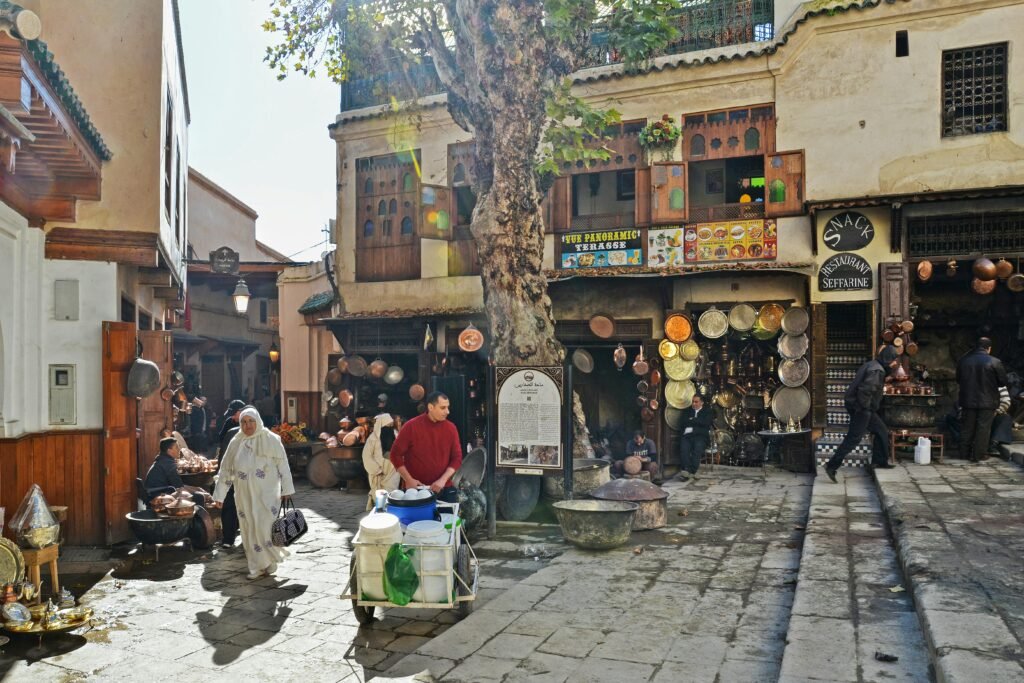
Fes is safe but requires more navigation skill than Marrakech. The medina’s labyrinthine alleys make it easy to get disoriented, and unofficial guides are more persistent here than anywhere else in Morocco. Violent crime is virtually nonexistent in tourist areas.
- Safety rating: ⭐⭐⭐⭐ Good with preparation
- Main risks: Getting genuinely lost, persistent unofficial guides
- Tip: Always hire an official licensed guide (badge required) for at least your first day in the medina
Is Casablanca Safe?
Casablanca is Morocco’s most modern city and generally very safe in tourist and business districts. Like any large city, some neighborhoods require more caution after dark. The city center, Marina, and Corniche areas are well-patrolled and safe.
- Safety rating: ⭐⭐⭐⭐ Very good in tourist areas
- Main risks: Petty theft in crowded areas; some peripheral neighborhoods after dark
- Tip: Use Careem (ride-hailing app) rather than flagging street taxis at night
Is Chefchaouen Safe?
Chefchaouen is one of Morocco’s safest and most relaxed destinations. The small blue city has a genuinely peaceful atmosphere, a low-key medina, and is extremely welcoming to tourists. It’s particularly recommended for first-time visitors and solo female travelers.
- Safety rating: ⭐⭐⭐⭐⭐ Excellent
- Main risks: Minimal — occasional offers of cannabis (illegal — decline firmly)
Is Essaouira Safe?
Essaouira is consistently rated one of Morocco’s safest cities for tourists. Its relaxed Atlantic atmosphere, manageable medina, and lower levels of harassment compared to Marrakech make it an excellent destination for solo travelers, women, and families.
- Safety rating: ⭐⭐⭐⭐⭐ Excellent
- Best for: Solo female travelers, families, first-time Morocco visitors
Is the Sahara Desert Safe?
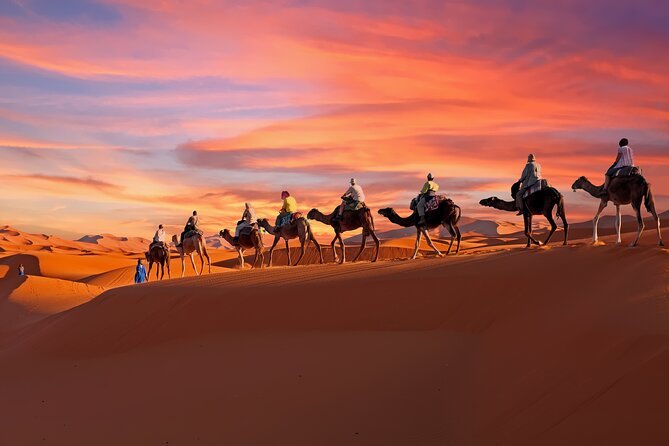
The Sahara Desert is safe when visited with reputable, licensed tour operators. Organized desert tours to Merzouga and Zagora are well-established and extremely popular — millions of tourists do them each year without incident. Solo camping in remote desert areas without a guide is strongly discouraged.
- Safety rating: ⭐⭐⭐⭐ Very good with reputable operator
- Tip: Always book desert tours through licensed agencies — never with unofficial street touts
Common Scams in Morocco & How to Avoid Them
The biggest safety issue most tourists encounter in Morocco is not crime — it’s scams. Being aware of the most common ones makes them easy to avoid:
The “Faux Guide” Scam
Unofficial “guides” approach tourists in medinas offering to show them around — then lead them to shops for commission, sometimes becoming aggressive if you don’t buy. Solution: Only use official licensed guides (they carry government-issued ID badges) booked through your riad or a reputable agency. Never accept unsolicited offers of “help” in medinas.
The “Free Henna” Scam
Women in Jemaa el-Fna or medina entrances offer “free” henna — then demand large sums of money once it’s applied. Solution: Politely decline all unsolicited henna offers. If you want henna, agree on a firm price before the artist begins.
The Carpet Shop Detour
A “helpful local” offers to show you a shortcut, a special viewpoint, or a tannery visit — and inevitably leads you to a carpet or souvenir shop where pressure to buy can be intense. Solution: Be politely firm: “La shukran” (No thank you). You are not obligated to enter any shop.
Taxi Overcharging
Some taxi drivers quote inflated prices to tourists, especially from airports and train stations. Solution: Always agree on the price before getting in, or use the meter (insist: “bil compteur”). Better yet, use Careem or inDriver (ride-hailing apps) for transparent, fixed pricing.
The Snake Charmer Photo
In Jemaa el-Fna, snake charmers, monkey handlers, and costumed musicians will pose for photos — then aggressively demand payment. Solution: Don’t take photos without agreeing on a price first. A polite refusal before the photo is taken is always easier than after.
Is Morocco Safe for Women Travelers?
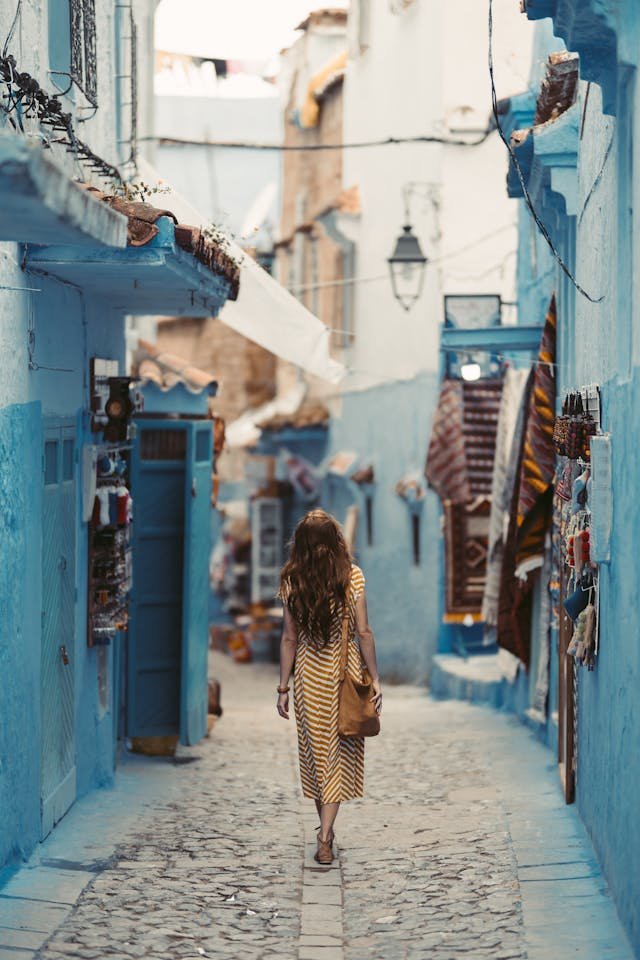
Is Morocco safe for women? Yes — thousands of women travel Morocco safely every year, including solo female travelers. However, women should be prepared for street harassment, which is the most common challenge. It ranges from comments and unsolicited conversation to more persistent attention.
Top Safety Tips for Women in Morocco
- Dress modestly in medinas: Cover shoulders and knees — this is the single most effective way to reduce unwanted attention
- Walk with confidence: Purposeful body language signals you’re not a target for harassment
- Use “La shukran”: A firm, clear “No thank you” in Arabic is more effective than polite hesitation
- Use ride-hailing apps: Careem is safer than flagging unknown taxis, especially at night
- Stay in well-reviewed riads: The riad owner/manager is your best local safety resource
- Best cities for solo women: Essaouira, Chefchaouen — significantly more relaxed than Marrakech or Fes
- The “married” strategy: Saying you are meeting your husband is widely used by solo female travelers as an effective deterrent
💡 Insider Tip: Moroccan women are generally incredibly kind and supportive to foreign female travelers in difficulty. If you feel uncomfortable or unsafe, approaching a local woman for help almost always results in immediate assistance.
Is Morocco Safe for Families with Children?
Morocco is an excellent family destination. Children are welcomed warmly throughout the country — Moroccans are deeply family-oriented and will go out of their way to make families feel comfortable. The main family safety considerations are:
- Health: Drink bottled water always — tap water is not recommended for young children
- Sun protection: Morocco’s sun is intense — apply high SPF sunscreen and keep children well hydrated
- Medinas: Hold children’s hands in crowded medinas — it’s easy to get separated in narrow alleyways
- Best family-friendly cities: Agadir (beach, Crocoparc, safe promenade), Essaouira (relaxed, manageable medina), Marrakech (Majorelle Garden, horse carriages)
Is Transportation Safe in Morocco?
Trains
Morocco’s ONCF train network is comfortable, reliable, and very safe. The Casablanca-Marrakech and Casablanca-Rabat-Tangier high-speed lines (Al Boraq) are excellent. Onboard security staff are present on most long-distance trains. Safety rating: ⭐⭐⭐⭐⭐
Buses (CTM & Supratours)
CTM and Supratours (book from here) are Morocco’s main long-distance bus companies — comfortable, air-conditioned, punctual, and very safe. They are used by both locals and tourists and are a reliable way to travel between cities. Safety rating: ⭐⭐⭐⭐⭐
Taxis
Taxis are widely available but require some caution. Always agree on the fare before getting in, or insist the driver uses the meter. For night travel, use Careem or inDriver (ride-hailing apps with transparent pricing and traceable journeys). Safety rating: ⭐⭐⭐ Good with precautions
Road Safety
Road safety is one of Morocco’s genuine challenges. Traffic accidents are more common than in Western Europe, particularly on mountain roads and at night. If renting a car, drive defensively, avoid driving after dark when possible, and never speed on mountain passes. Safety rating: ⭐⭐⭐ Exercise caution
Health & Medical Safety in Morocco
- Water: Always drink bottled water — tap water is not recommended for tourists
- Food safety: Eat at busy restaurants with high table turnover. Street food in main tourist areas is generally safe. Avoid raw vegetables washed in tap water
- Vaccinations: No mandatory vaccinations for Morocco — Hepatitis A and typhoid are sometimes recommended by travel doctors
- Medical care: Good private hospitals in Casablanca, Marrakech, and Rabat. Rural areas have limited facilities — travel insurance with medical evacuation is strongly recommended
- Pharmacies: Excellent and well-stocked throughout Morocco — pharmacists often provide advice without prescription for minor ailments
- Sun and heat: Morocco’s sun is intense — particularly in summer and the Sahara. Stay hydrated, use high-SPF sunscreen, and avoid midday sun in July-August
Are There Protests in Morocco?
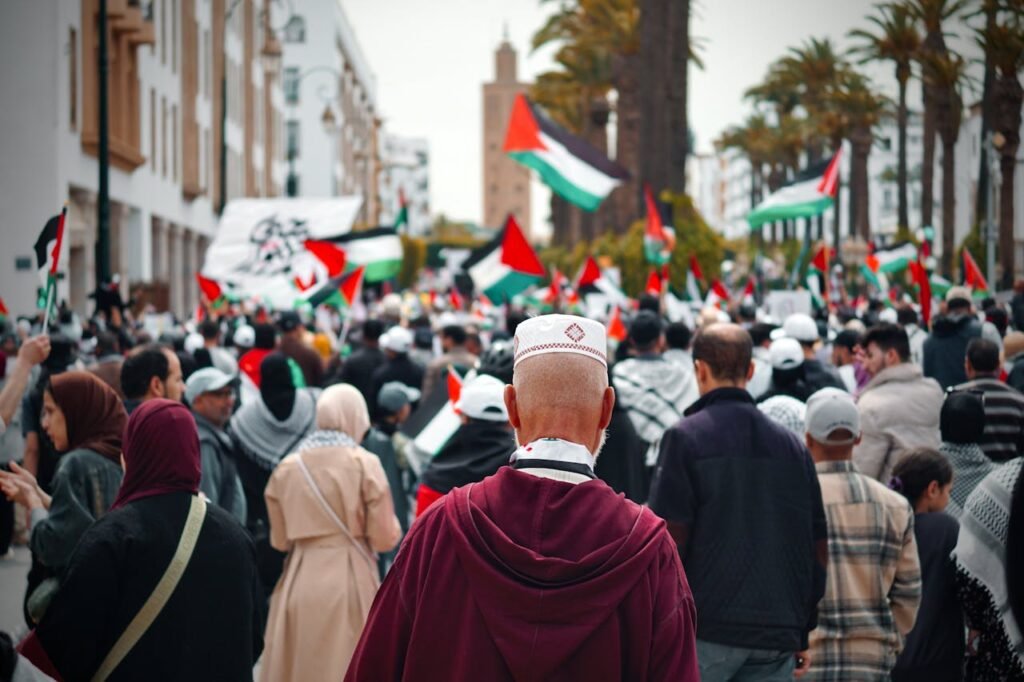
Protests do occur in Moroccan cities, but they are generally peaceful and pose no danger to tourists. Recent demonstrations have included pro-Palestine solidarity gatherings and occasional labor protests. Demonstrations are typically organized in advance, often on weekends, and rarely affect tourist areas.
- What to do: Simply walk around any large gatherings — do not enter them
- Risk level for tourists: Very low
- How to stay informed: Check your country’s travel advisory website for current updates before and during your trip
Natural Disasters & Environmental Safety
Morocco experienced a significant earthquake in September 2023 that affected the High Atlas Mountains region near Marrakech, causing tragic loss of life. The affected villages have largely been rebuilt, and Marrakech itself sustained minimal structural damage. Seismic activity is a geographic reality in Morocco, but the risk to tourists is low.
- Earthquakes: Low ongoing risk — follow standard earthquake preparedness advice
- Flash floods: Seasonal risk in mountain areas and southern valleys after heavy rain — never camp in dry riverbeds
- Extreme heat: Genuine risk in the Sahara in summer — visit October-April for desert tours
Pickpocketing & Petty Crime
Pickpocketing is the most common crime affecting tourists in Morocco. It occurs primarily in crowded medinas, busy markets, public transport hubs, and Jemaa el-Fna square in Marrakech.
- Use a small crossbody bag worn in front in crowded areas
- Keep your phone in a front pocket or secure bag — not loosely in a back pocket
- Don’t display expensive cameras, jewelry, or watches unnecessarily
- Use a money belt under your clothes for passport and emergency cash
- Leave valuables locked in your riad when exploring medinas
Emergency Numbers in Morocco
- Police (cities): 19
- Royal Gendarmerie (outside cities): 177
- Ambulance & Medical Emergency: 15
- Fire Brigade: 15
- Tourist Police (Marrakech): Available at Jemaa el-Fna and major torist sites
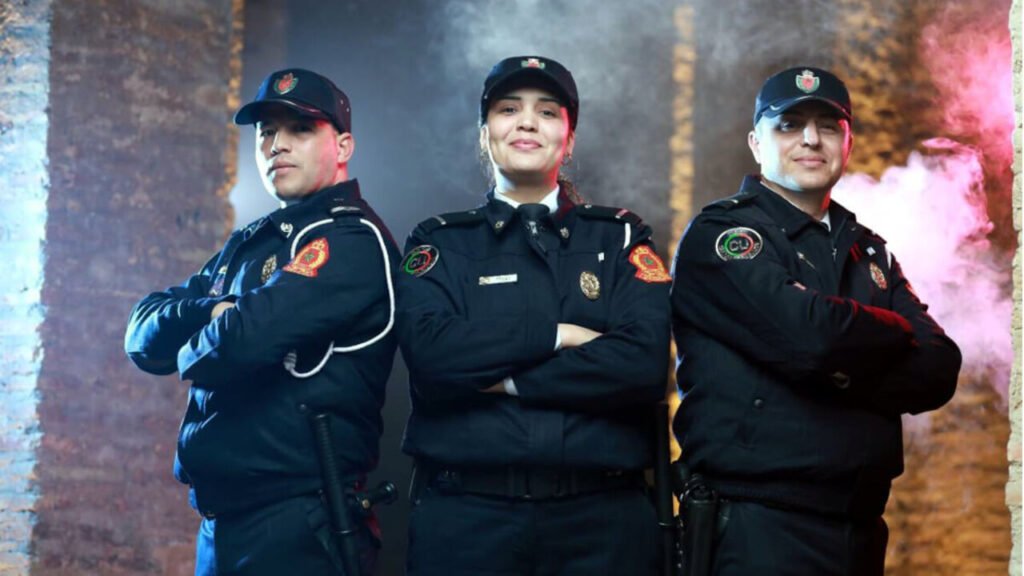
All emergency numbers are free and available 24/7. In case of theft, file a police report (procès verbal) at the nearest police station before contacting your embassy — this is required for insurance claims. Your hotel or riad can assist you in contacting authorities.
💡 For US citizens: Enroll in the Smart Traveler Enrollment Program (STEP) before traveling — it allows the US Embassy to contact you in emergencies.
Top 10 Morocco Safety Tips for Tourists
- Get travel insurance — with medical evacuation coverage. Non-negotiable for any Morocco trip
- Use official licensed guides — never accept unsolicited guide offers in medinas
- Dress modestly — cover shoulders and knees in medinas and religious sites
- Use ride-hailing apps — Careem is safer than street taxis, especially at night
- Drink only bottled water — always, everywhere in Morocco
- Keep copies of your passport — digital copies in your email and a physical copy separate from the original
- Learn basic Arabic phrases — “La shukran” (No thank you) is your most useful safety phrase
- Tell someone your plans — share daily itineraries with someone at home
- Avoid walking alone at night in unlit medina alleyways — stick to main streets or take a taxi
- Trust your instincts — if something feels wrong, leave the situation immediately
Frequently Asked Questions — Is Morocco Safe?
Is Morocco safe for Americans?
Yes — Morocco is safe for American tourists. The US State Department rates Morocco as Level 1 (Exercise Normal Precautions) — its safest rating. Millions of Americans visit Morocco each year without incident. The US Embassy in Rabat and Consulate in Casablanca provide consular support if needed. Enrolling in STEP before travel is recommended.
Is it safe to walk at night in Morocco?
In well-lit tourist areas and main squares (like Jemaa el-Fna in Marrakech), walking at night is generally safe. Avoid walking alone through unlit medina alleyways at night — stick to main streets or use a taxi. Coastal cities like Essaouira and Agadir are very safe to walk at night along their Corniche promenades.
Is Morocco safe for solo travelers?
Yes — Morocco is very manageable for solo travelers of all genders. Solo male travelers generally have a straightforward experience. Solo female travelers face more challenges (primarily street harassment) but the vast majority have positive experiences with the right preparation. Essaouira and Chefchaouen are the most recommended cities for solo first-timers.
What is the safest city in Morocco for tourists?
Essaouira and Chefchaouen are consistently rated the safest and most relaxed cities in Morocco for tourists. Both have lower levels of harassment, more manageable medinas, and genuinely welcoming local populations. Agadir is also excellent for families due to its modern resort infrastructure and well-patrolled beach promenade.
Is Morocco safe after the 2023 earthquake?
Yes — Morocco is fully safe to visit following the September 2023 earthquake. The affected villages in the High Atlas have been substantially rebuilt, and Marrakech suffered only minor damage. Tourist infrastructure across Morocco is fully operational. The earthquake zone itself (village trails near Imlil) requires checking current access conditions with local guides before visiting.
Final Verdict: Is Morocco Safe to Visit in 2026?
Is Morocco safe? Yes — with the right preparation and awareness, Morocco is a genuinely safe, welcoming, and extraordinary travel destination. Violent crime against tourists is very rare. The challenges you are most likely to encounter — scams, street harassment, overcharging taxis — are all manageable with the knowledge in this guide.
Morocco rewards travelers who go in informed, not fearful. The country’s extraordinary culture, history, food, landscapes, and people far outweigh the challenges — and the millions of travelers who visit each year, and return again and again, are the clearest testament to that.
Get your travel insurance, book reputable accommodation, dress respectfully, trust your instincts — and let Morocco work its magic on you.
Have questions about Morocco safety not answered here? Leave them in the comments below and we’ll answer them!