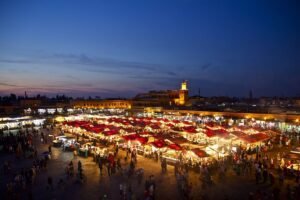
Knowing the best time to visit Morocco can make the difference between an unforgettable trip and a challenging one. Morocco is a country of dramatic contrasts — from the snow-capped Atlas Mountains to the scorching Sahara Desert, from the cool Atlantic coast to the warm Mediterranean shores — and each region has its own ideal season. This complete Morocco weather and seasons guide covers every month of the year so you can choose the perfect time for your trip in 2026.
The short answer: spring (March–May) and autumn (September–November) are the best times to visit Morocco for most travelers. But read on — depending on where you’re going and what you want to do, a different season might be perfect for you.
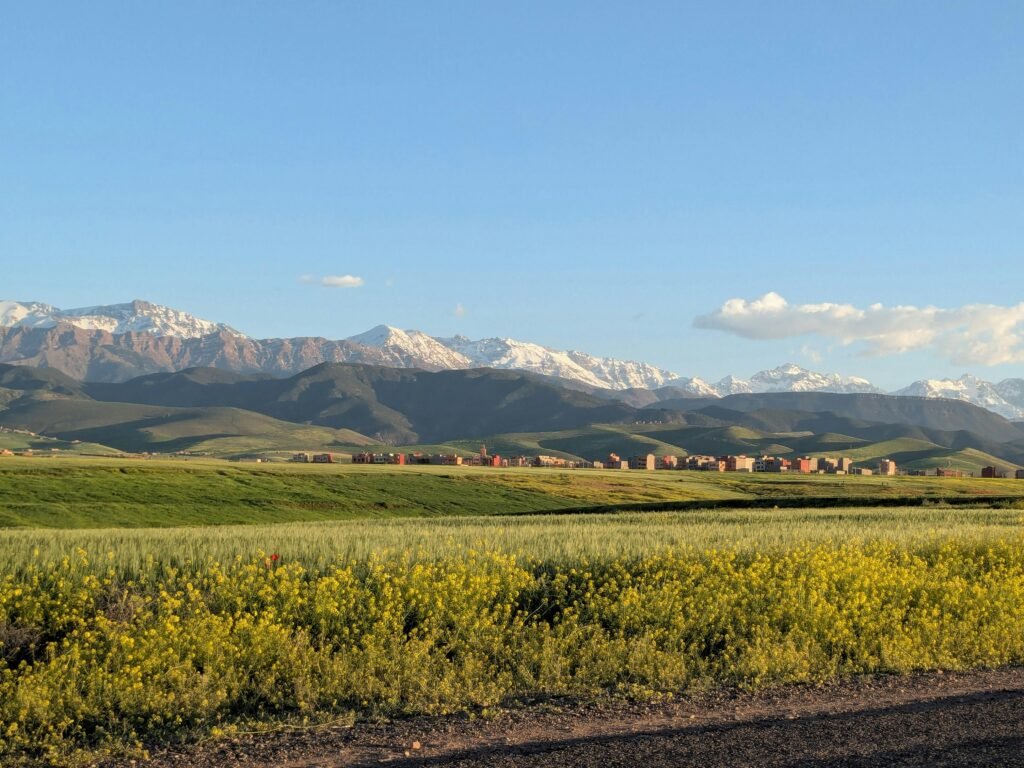
Table of Contents
Morocco Weather Overview by Season
Morocco’s climate varies dramatically depending on the region. Here’s a quick overview of what to expect across the country’s main zones:
- Coastal cities (Casablanca, Essaouira, Rabat): Mediterranean climate — mild winters, warm summers, sea breeze year-round
- Imperial cities (Marrakech, Fes, Meknes): Semi-arid — hot dry summers, cool winters, best in spring and autumn
- Sahara Desert (Merzouga, Zagora): Extreme continental — scorching summers (45°C+), cold nights year-round, best October–April
- Atlas Mountains: Alpine — snow in winter, cool summers, hiking best in June–September
- Northern coast (Tangier, Chefchaouen): Mediterranean — mild year-round, rainy winters, warm summers
Spring (March–May) — The Best Time to Visit Morocco
Spring is widely considered the best time to visit Morocco. Temperatures are warm but not scorching, wildflowers carpet the countryside, the almond trees bloom in February and March, and the whole country feels alive and vibrant. Cities like Marrakech and Fes are at their most pleasant, and the Sahara is still comfortable enough for desert tours.
Spring Weather in Morocco
- Marrakech: 18–28°C — perfect sightseeing weather
- Fes: 15–25°C — ideal for medina exploration
- Sahara Desert: 20–35°C during the day, 10–15°C at night — comfortable for desert camping
- Chefchaouen: 14–22°C — beautiful mountain weather
- Essaouira: 16–22°C — windy and fresh on the Atlantic coast
Why Spring is the Best Time to Visit Morocco
- ✅ Perfect temperatures across all regions
- ✅ Countryside covered in wildflowers and green landscapes
- ✅ Comfortable Sahara desert tours
- ✅ Ideal for hiking in the Atlas Mountains
- ✅ Festivals: Rose Festival in the Dades Valley (May)
- ⚠️ Peak tourist season — book accommodation well in advance
- ⚠️ Higher prices during school holiday weeks
💡 Insider Tip: Visit the Dades Valley in late March and early April when the rose fields are in full bloom — one of the most beautiful and underrated sights in all of Morocco. The annual Rose Festival in El Kelaa M’Gouna (May) is a spectacular cultural event worth planning your trip around.
Summer (June–August) — Hot but Possible on the Coast
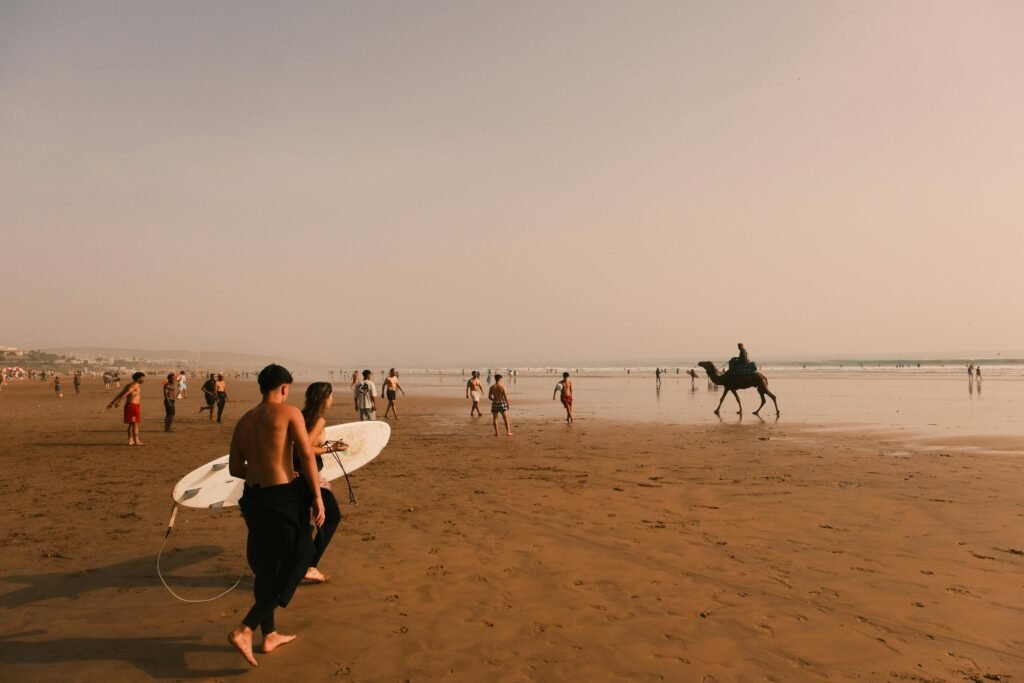
Summer is the most challenging time to visit Morocco’s inland cities and desert regions, but the Atlantic and Mediterranean coasts come alive during this season. If you’re planning to visit Marrakech or the Sahara in July or August, be prepared for extreme heat that can significantly limit your sightseeing.
Summer Weather in Morocco
- Marrakech: 35–42°C — extremely hot, sightseeing best done early morning or evening
- Fes: 32–40°C — very hot, medina exploration uncomfortable in the afternoon
- Sahara Desert: 42–48°C — dangerously hot, not recommended for desert tours
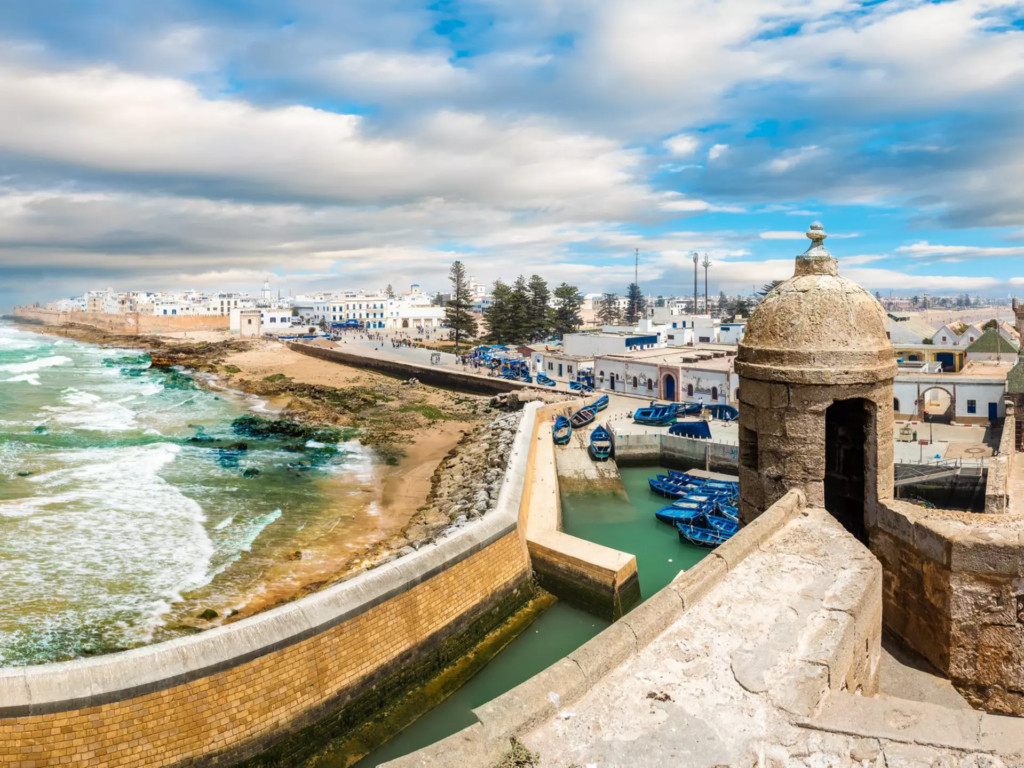
- Essaouira: 20–25°C — pleasantly cool thanks to Atlantic winds — perfect summer escape
- Agadir: 24–28°C — warm beach weather, popular with European tourists
- Chefchaouen: 22–30°C — cooler than inland cities, good summer option
Who Should Visit Morocco in Summer?
- ✅ Beach lovers — Agadir, Essaouira, and the northern coast are excellent
- ✅ Budget travelers — cheaper flights and accommodation in some areas
- ✅ Festival seekers — Gnaoua World Music Festival in Essaouira (June)
- ✅ Those visiting Chefchaouen — cooler mountain temperatures
- ❌ Avoid for Sahara desert tours — dangerously hot
- ❌ Avoid for Marrakech and Fes if you’re sensitive to heat
💡 Insider Tip: If visiting Marrakech in summer, structure your days around the heat — explore the medina from 7–10 AM, retreat to your riad or a pool during the midday heat (12–4 PM), then head out again in the late afternoon. Many riads have beautiful rooftop pools perfect for cooling off.
Autumn (September–November) — The Second Best Time to Visit Morocco
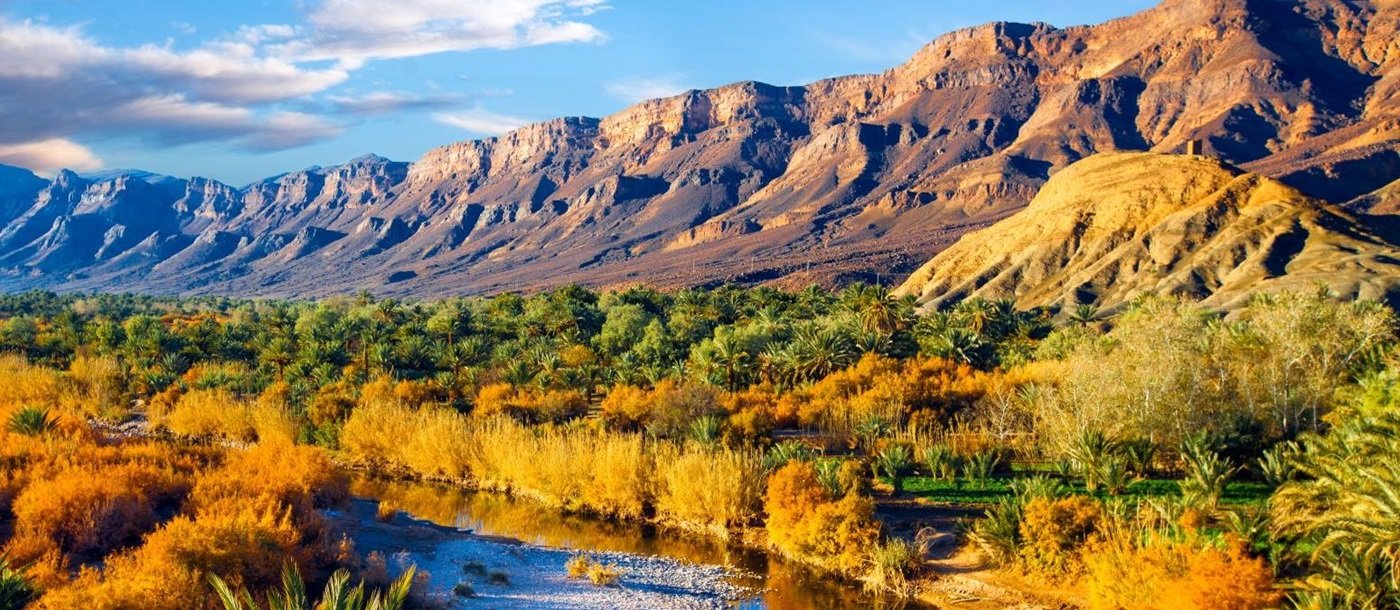
Autumn is arguably the most underrated time to visit Morocco — and one of the best times to visit Morocco for those who want the perfect combination of good weather, fewer crowds than spring, and lower prices. September still carries some summer warmth, while October and November offer some of the most pleasant travel conditions of the entire year.
Autumn Weather in Morocco
- Marrakech: 22–32°C (September), 18–26°C (October), 14–22°C (November)
- Fes: 20–30°C (September), 16–24°C (October), 12–20°C (November)
- Sahara Desert: 28–38°C (September), 20–30°C (October) — comfortable from mid-October
- Chefchaouen: 18–26°C — beautiful autumn colors in the mountains
- Essaouira: 20–25°C — still warm enough for the beach in September
Why Autumn is Great for Visiting Morocco
- ✅ Fewer crowds than spring — more peaceful medina exploration
- ✅ Lower prices on flights and accommodation than peak season
- ✅ Sahara desert tours comfortable from October onwards
- ✅ Date harvest season in the south — spectacular palmeries
- ✅ Imilchil Marriage Festival (September) in the Atlas Mountains
- ⚠️ November can bring some rain, especially in northern Morocco
💡 Insider Tip: October is arguably the single best month to visit Morocco. The summer heat has passed, the Sahara is comfortable, crowds have thinned, and the light is extraordinary — golden and warm for photography. Book October trips as far in advance as possible as savvy travelers have discovered this secret.
Winter (December–February) — Quiet, Cold & Full of Surprises
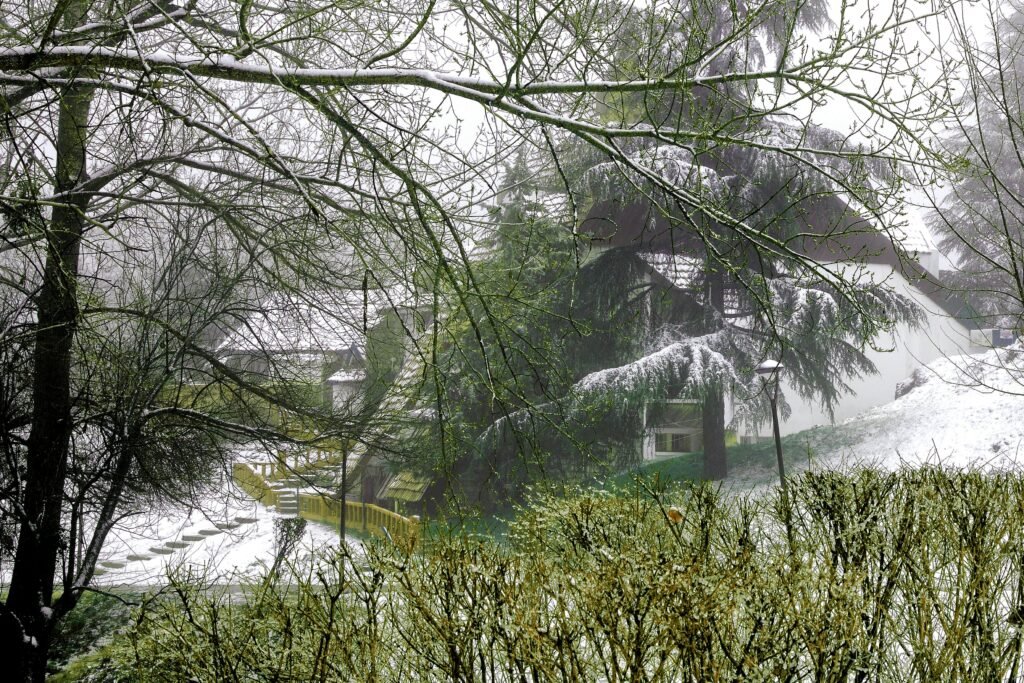
Winter is Morocco’s quietest tourist season and offers some surprising advantages — lower prices, uncrowded medinas, and the extraordinary spectacle of snow on the Atlas Mountains. It’s not the ideal time to visit the Sahara (cold nights) or hike in the mountains (snow), but the coastal cities and imperial cities are very pleasant in winter.
Winter Weather in Morocco
- Marrakech: 8–18°C — cool but sunny, light layers needed
- Fes: 5–15°C — cold, especially at night; can be rainy
- Sahara Desert: 20–25°C during the day, 0–5°C at night — cold camping but stunning clear skies
- Casablanca & Rabat: 10–18°C — mild Atlantic climate, occasional rain
- Atlas Mountains: Snow above 2,000m — ski resorts open at Oukaimeden near Marrakech
- Agadir: 16–22°C — Morocco’s warmest winter destination
Who Should Visit Morocco in Winter?
- ✅ Budget travelers — lowest prices of the year on flights and hotels
- ✅ Those who hate crowds — medinas are peaceful and authentic
- ✅ Skiers — Oukaimeden ski resort near Marrakech (January–February)
- ✅ Winter sun seekers — Agadir stays warm even in December
- ✅ Photographers — extraordinary light and empty streets
- ⚠️ Pack warm layers — nights in the desert and mountains are very cold
- ⚠️ Some mountain roads may be closed due to snow
💡 Insider Tip: Visit Marrakech in December for a magical Christmas and New Year experience — the city is beautifully decorated, the weather is mild and sunny, and you’ll have the medina almost to yourself compared to peak season. One of Morocco’s best-kept travel secrets.
Best Time to Visit Morocco: Month by Month Guide
January
- Weather: Cool and crisp — 8–18°C in Marrakech
- Crowds: Very low — best time for peaceful medina exploration
- Prices: Lowest of the year
- Best for: Budget travelers, those who love quiet travel, Agadir beach
- Avoid: Sahara desert camping (very cold nights)
February
- Weather: Still cool but warming — almond blossom season begins
- Crowds: Low — starting to pick up toward end of month
- Best for: Almond blossom in the Ait Benhaddou region, skiing at Oukaimeden
- Highlight: Almond Blossom Festival in Tafraoute — a spectacular pink explosion of color
March
- Weather: Warming up — 15–22°C, wildflowers appearing
- Crowds: Moderate — European spring break brings visitors
- Best for: Hiking, medina exploration, Sahara tours, photography
- Verdict: ⭐ Excellent month to visit
April
- Weather: 18–26°C — arguably perfect travel weather
- Crowds: High — Easter brings peak visitors
- Best for: Everything — the best all-round month in Morocco
- Verdict: ⭐⭐ Best month of the year
May
- Weather: 22–30°C — warm and sunny
- Crowds: High — peak spring season
- Best for: Rose Festival in Dades Valley, all regions still comfortable
- Verdict: ⭐ Excellent month — book early
June
- Weather: 28–36°C inland, 22–26°C on the coast
- Best for: Essaouira Gnaoua Festival, Atlantic coast beaches
- Avoid: Sahara desert tours — becoming too hot
- Verdict: ✅ Good for coast, challenging for inland cities
July & August
- Weather: 38–45°C inland, 24–28°C coast
- Best for: Beach destinations — Agadir, Essaouira, Tangier
- Avoid: Marrakech, Fes, and especially the Sahara desert
- Verdict: ⚠️ Coastal only — inland not recommended
September
- Weather: 28–35°C — still warm but manageable
- Crowds: Dropping after summer peak
- Best for: Imilchil Marriage Festival, date harvest in the south
- Verdict: ✅ Good month — improving rapidly as month progresses
October
- Weather: 22–30°C — ideal across all regions
- Crowds: Moderate — the sweet spot between summer and winter
- Best for: Sahara desert tours, medina exploration, hiking
- Verdict: ⭐⭐ Second best month of the year — possibly the best kept secret
November
- Weather: 14–22°C — cooling down, some rain possible in the north
- Crowds: Low — peaceful travel
- Best for: Budget travelers, Marrakech city breaks, Sahara still good early in month
- Verdict: ✅ Good month — great value
December
- Weather: 10–18°C — cool but sunny in most regions
- Crowds: Low except Christmas week
- Best for: Budget travel, peaceful medinas, Agadir winter sun
- Verdict: ✅ Underrated — great for the right traveler
Visiting Morocco During Ramadan
Ramadan is the Islamic holy month of fasting, and visiting Morocco during Ramadan is a unique and fascinating experience — but it requires some preparation. During Ramadan, most Moroccans fast from sunrise to sunset, meaning many restaurants and cafés close during the day, working hours change, and the pace of life slows significantly.
- Positive aspects: Extraordinary atmosphere at iftar (sunset breaking of fast), special Ramadan foods, cultural insight, spiritual energy in cities like Fes and Marrakech
- Challenges: Many restaurants closed during the day, some attractions have reduced hours, alcohol harder to find, pace of business slower
- Practical tips: Eat breakfast at your riad, carry snacks and water for daytime, dress modestly, respect fasting locals by not eating or drinking in public
- Ramadan 2027 dates: Approximately February 18 – March 19, 2027 (dates vary by moon sighting)
💡 Insider Tip: Iftar — the sunset meal that breaks the daily fast — is one of the most special experiences in Morocco. Many riads and restaurants offer special iftar dinners; joining one is a beautiful way to participate in Moroccan culture.
Best Time to Visit Morocco by Region
Best Time to Visit Marrakech
- Best: March–May and September–November
- Good: December–February (cool but pleasant)
- Avoid: July–August (extreme heat 38–42°C)
Best Time to Visit Fes
- Best: April–May and October
- Good: March and November
- Avoid: July–August (very hot in the medina)
Best Time for a Sahara Desert Tour
- Best: October–April
- Good: September and May
- Avoid: June–August (dangerously hot — 45°C+)
Best Time to Visit Chefchaouen
- Best: April–June and September–October
- Good: Year-round — mountain climate keeps it cooler than inland cities
- Note: Winter can be cold and rainy but very atmospheric
Best Time to Visit Essaouira
- Best: April–June and September–October
- Good: Year-round — Atlantic breeze keeps summer temperatures cool
- Note: Very windy almost year-round — perfect for kitesurfing
Frequently Asked Questions — Best Time to Visit Morocco
What is the best month to visit Morocco?
April is widely considered the single best month to visit Morocco. Temperatures are perfect across all regions (18–26°C in Marrakech), wildflowers are in bloom, the Sahara is comfortable, and the country is at its most beautiful. October is a close second, with fewer crowds and equally good weather.
Is Morocco too hot in summer?
Inland cities like Marrakech and Fes can reach 40–42°C in July and August, which makes intensive sightseeing uncomfortable. The Sahara Desert can hit 48°C — dangerous for desert tours. However, Morocco’s Atlantic coast (Essaouira, Agadir) stays pleasantly cool in summer thanks to ocean breezes, making it a great summer destination.
Is Morocco cold in winter?
Morocco’s winters are mild in most cities — Marrakech averages 8–18°C in January, which is pleasant for sightseeing. The Atlas Mountains receive significant snowfall (great for skiing), and desert nights can drop to 0°C. Agadir remains the warmest winter destination at 16–22°C. Overall, winter is underrated for Morocco travel.
When is Morocco the cheapest to visit?
January and February offer the lowest prices for flights and accommodation in Morocco. November and early December are also good value. The most expensive periods are Easter (April), school summer holidays (July–August), and Christmas/New Year week.
What is the rainy season in Morocco?
Morocco’s rainy season runs from November to March, primarily affecting northern regions (Tangier, Chefchaouen, Fes) and the Atlantic coast. Southern Morocco and the Sahara receive very little rain year-round. Rain is usually short and intense rather than prolonged, and rarely ruins a full day of travel.
Final Verdict: The Best Time to Visit Morocco
The best time to visit Morocco is spring (March–May) for first-time visitors who want to experience the country at its most beautiful and comfortable. October is the insider’s choice — perfect weather, fewer crowds, and lower prices than peak spring season.
Avoid July and August for inland cities and the Sahara, but embrace them if you’re heading to the Atlantic coast. And don’t overlook winter — Marrakech in December is a genuinely magical experience that most travelers miss entirely.
Whatever time of year you choose, Morocco will reward you. The question is simply which version of Morocco you want to experience — and now you have everything you need to choose wisely.
When are you planning to visit Morocco? Share your travel dates in the comments — we’d love to give you personalized tips for your trip!